Stadium retrofits, transit upgrades, road expansion, and city infrastructure projects usually need machines that are easy to service, simple to transport, and strong enough for daily production. For overseas buyers, the safest choices are often proven used excavator models with global parts support.
How to choose a used excavator for infrastructure work
The best model depends on job type, transport limits, operator familiarity, fuel cost, attachment needs, and local parts supply. For most buyers, a clean 20-30 ton excavator is the best starting point because it can handle trenching, grading, demolition support, loading, and general earthmoving.
- For urban jobsites: Choose 20-30 ton machines with smooth hydraulics and good visibility.
- For heavy excavation: Step up to 30-40 ton machines with stronger digging force and larger bucket capacity.
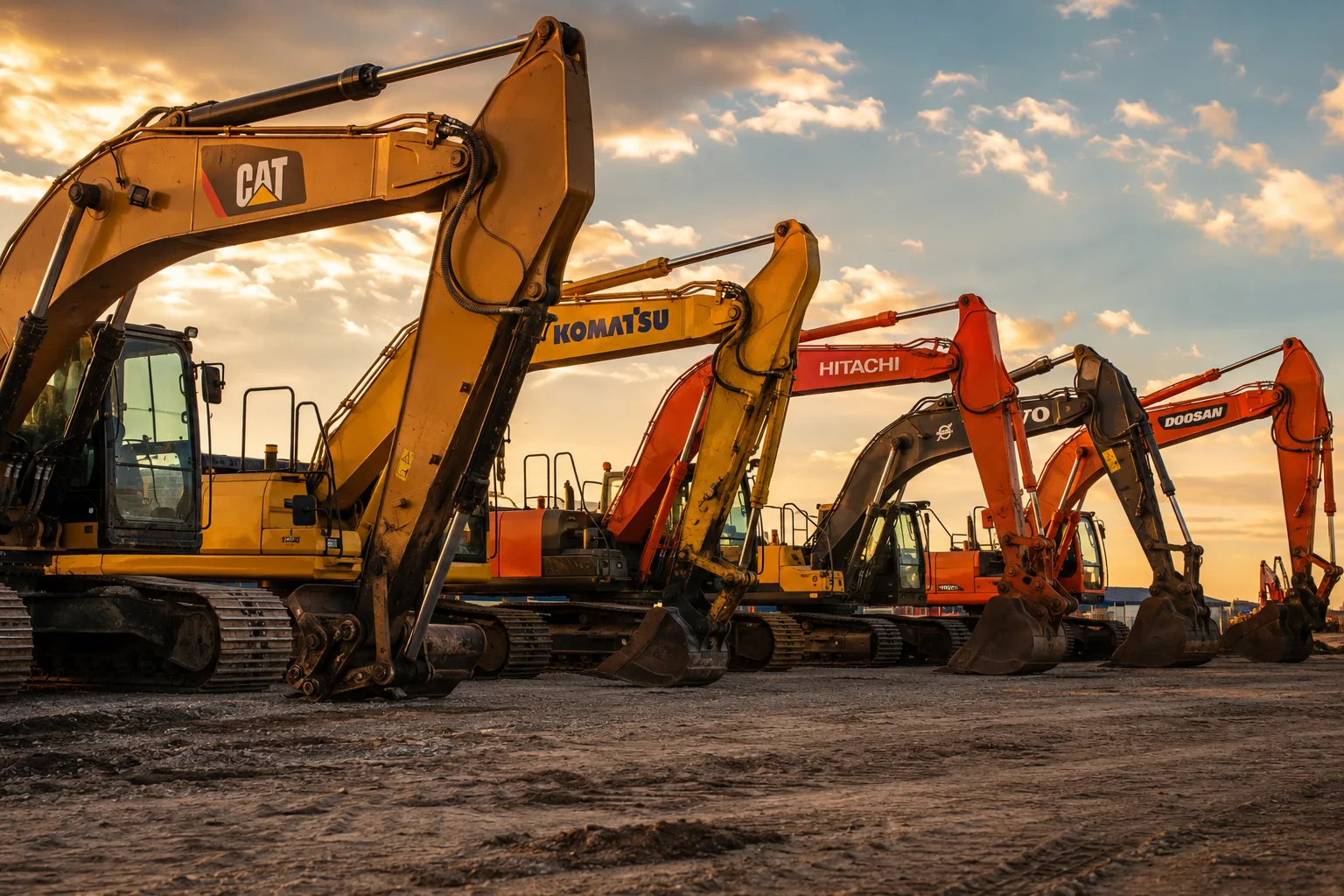
- For resale value: Prioritize CAT, Komatsu, and Hitachi models with strong parts networks.
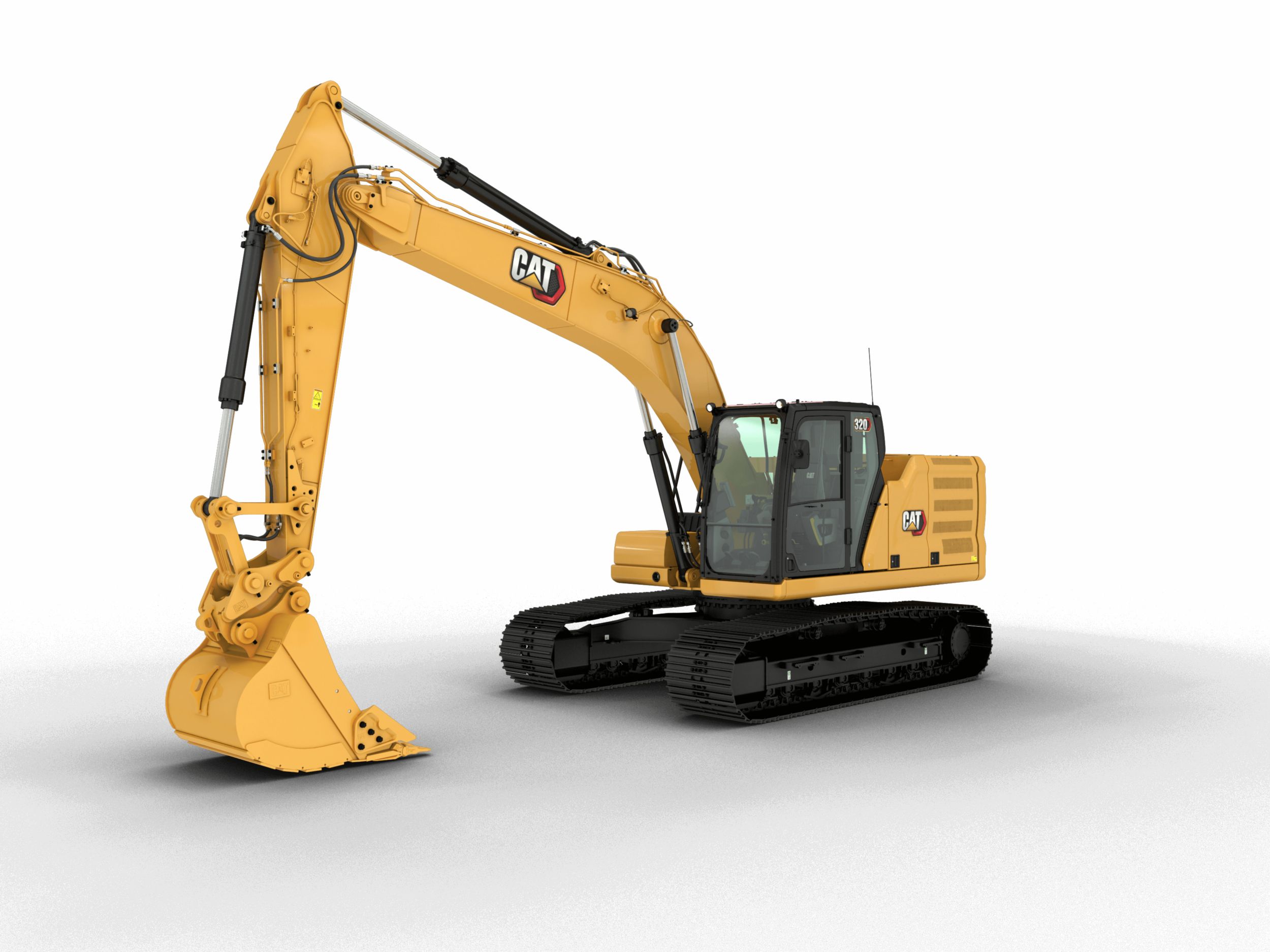
1. Caterpillar 320
The CAT 320 is one of the most recognized mid-size excavators in the world. It is popular because parts are easy to find, mechanics understand it well, and the machine fits a wide range of construction jobs.
| Spec | Typical value | Buyer note |
|---|---|---|
| Operating class | 20-22 ton | Flexible for roadwork, drainage, grading, and general excavation |
| Best use | Urban construction and mixed earthmoving | Strong resale value and excellent global parts support |
| Used buyer focus | Undercarriage, pump sound, engine smoke, service history | Clean units usually move quickly in export markets |
2. Komatsu PC210LC / PC200
Komatsu's PC210LC and PC200 series are strong alternatives to the CAT 320. Buyers often choose Komatsu for fuel economy, smooth operation, and long service life.
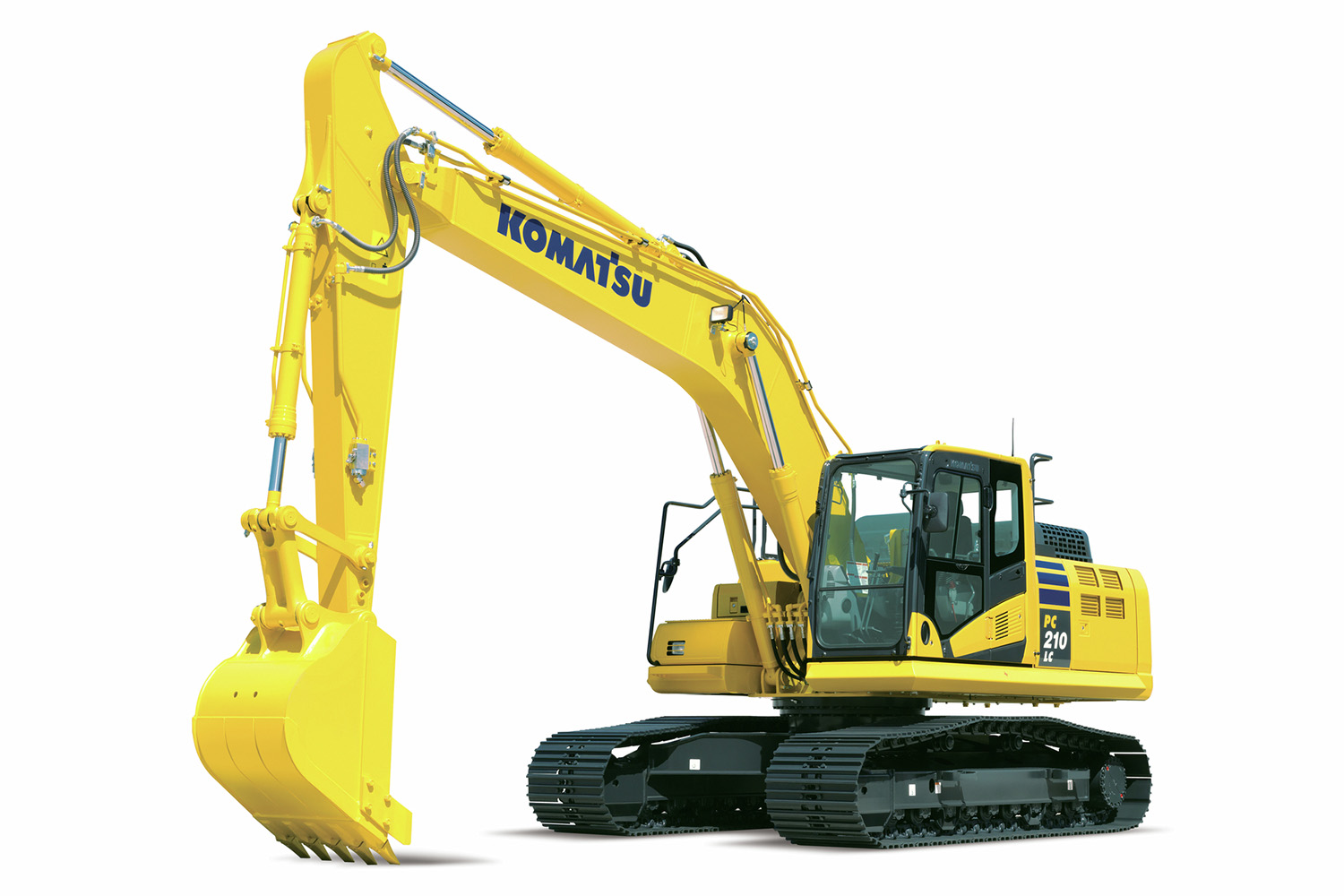
- Operating class: About 20-24 ton, depending on configuration.
- Bucket capacity: Commonly around 0.5-1.2 m3 on PC210LC-11 specifications.
- Best fit: Long production days, trenching, road support, and fuel-sensitive projects.
3. Hitachi ZX200 / ZX210
The Hitachi ZX200 and ZX210 are known for smooth hydraulics and precise control. This makes them useful for urban jobsites where operators need to work around existing structures, utilities, and tight access routes.
- Best fit: Precision grading, utility excavation, roadwork, and mixed earth/rock jobs.
- Buyer focus: Hydraulic response, swing noise, boom and arm pins, and pump condition.
- Export advantage: Strong acceptance in Asia, the Middle East, Africa, and Latin America.
4. Caterpillar 336
When the job moves beyond mid-size excavation, the CAT 336 is a common heavy-duty option. It is suitable for deeper digging, heavy demolition support, larger drainage work, and mass earthmoving.
- Operating class: Around 33-36 ton, depending on version and configuration.
- Best fit: Heavy excavation, structural work, quarry support, and high-production jobs.
- Buyer focus: Hydraulic pump condition, undercarriage wear, boom repairs, and engine load performance.
5. Komatsu PC360 / PC400
Komatsu PC360 and PC400 machines are strong choices for buyers who need heavier production while still caring about operating cost. They are common in infrastructure, quarry, and large earthmoving applications.
- Best fit: Road expansion, large drainage projects, quarry support, mining support, and mass excavation.
- Buyer focus: Engine load response, hydraulic speed, final drives, and structural wear.
- Export note: These larger units require more careful freight planning than 20-ton machines.
6. Hitachi ZX350 / ZX490
Hitachi's larger excavators are useful when the project requires more digging force, larger bucket capacity, and strong hydraulic control. They are often considered by buyers working in mining, quarry, and heavy infrastructure.

- Best fit: Heavy demolition, quarry support, mining support, and large-scale earthmoving.
- Buyer focus: Main pump performance, track condition, boom and arm structure, and cooling system.
- Export note: Confirm shipping method and port handling ability before finalizing a large unit.
Quick decision guide
| Project type | Recommended models | Why |
|---|---|---|
| Urban stadium retrofit or confined site | CAT 320, Hitachi ZX200 | Compact enough for city sites, strong enough for daily production |
| Transit station or road expansion | Komatsu PC210, CAT 320 | Good balance of reach, fuel economy, transport weight, and parts support |
| Heavy demolition or deep excavation | CAT 336, Komatsu PC360, Hitachi ZX350 | More digging force and bucket capacity for heavy work |
| Mining or quarry support | Komatsu PC400, Hitachi ZX490 | Higher production capacity for large-volume earthmoving |
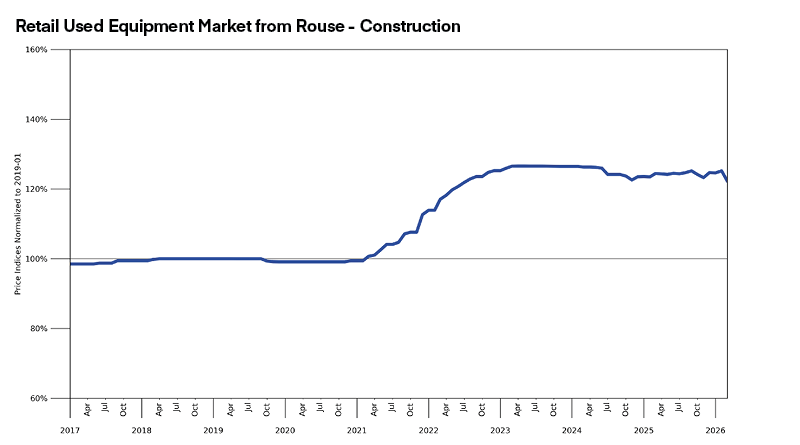
Market timing: why clean used units move fast
Used equipment market reports show that construction equipment demand can shift quickly when infrastructure projects accelerate. Buyers who already know the target model, budget, and destination port can review stock faster and avoid losing clean machines to another buyer.
Buying from China: what to verify before payment
Before confirming a used excavator order, ask for clear photos, walk-around videos, engine running videos, hydraulic movement videos, undercarriage photos, serial number information, and attachment details. A good export supplier should also confirm invoice, packing list, customs paperwork, loading plan, and shipping options.
Contact us with your target model, year range, budget, and destination port. We will match current stock and send available machine details for review.
Sources
Caterpillar 320 Hydraulic Excavator,Komatsu PC210LC-11,RitchieSpecs Hitachi ZX200,Ritchie Bros. May 2026 Market Trends Report, and SK Used Equipment export buyer experience.