Rebuilt.
Modified.
Job-ready.
Custom buckets, rubber tracks, hydraulic conversion, quick couplers, and a repaint inyour fleet colors with your logo — fabricated, fitted, and function-tested before the machine leaves our yard.
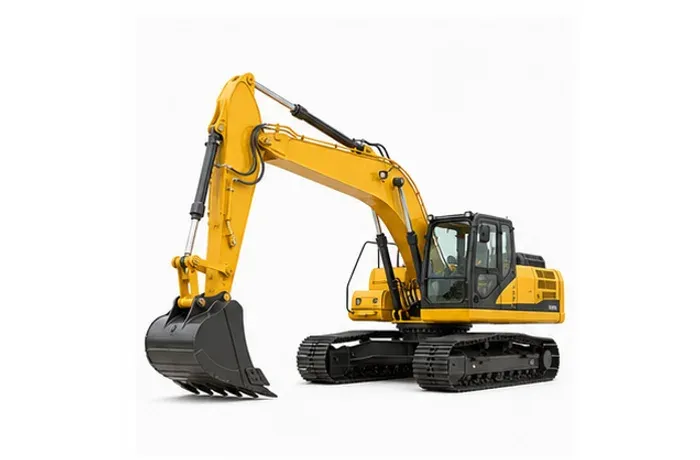 Base unit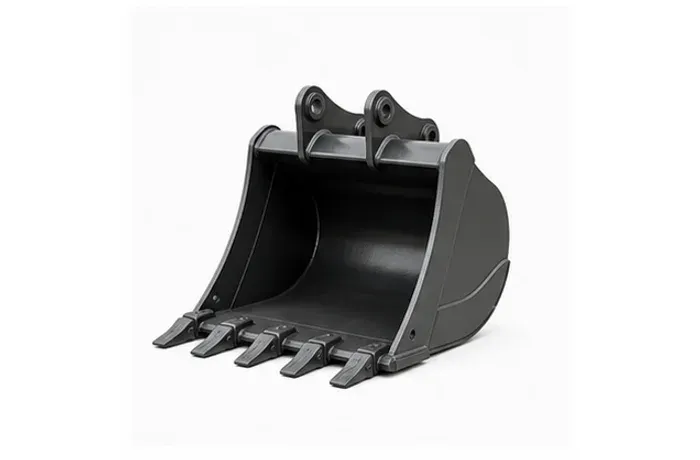
Mod-01
Mod-02
Mod-03
5
Core modifications
100%
Function-tested
120+
Machines in stock
Ready
On arrival
Index / Work order
One machine,
five modifications
A used excavator is only as useful as the tooling on the end of it. Our workshop handles fabrication, hydraulic conversion, and paint in-house, so the machine arrives ready to work — not waiting on a local shop after import.
Not sure what you need? Get adviceTwo ways we modify
an excavator bucket
The bucket that came with a used machine rarely matches the next job. Buyers ask for two changes — a larger-capacity bucket to move more per pass, or a heavy-duty bucket built to survive tougher ground. Both are re-pinned and bushed to fit your exact machine.
Larger capacity most common
A wider, higher-volume bucket so the machine moves more material per pass in loose soil, sand, and general earthmoving.
Heavy-duty rock & demo
Reinforced shell, heavy wear plates and rock teeth for demolition, quarry, and abrasive ground where a standard bucket wears out fast.
Fig. A — heavy-duty bucket · re-pinned to suit
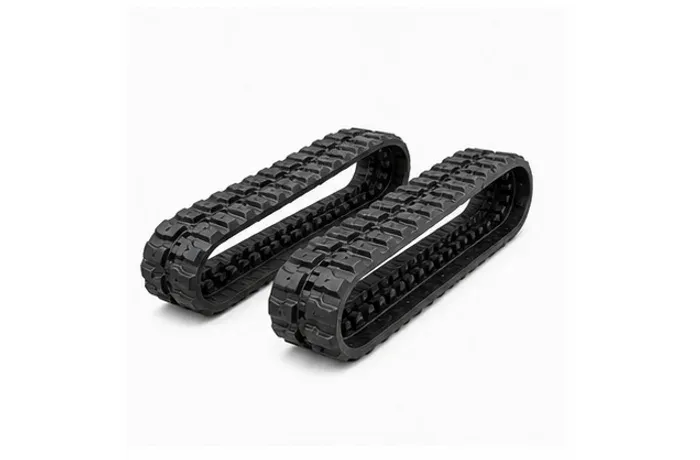
Fig. B — bolt-on rubber pads · sized per model
Rubber tracks for
finished surfaces
Steel tracks are great for raw ground but destructive on pavement, paved yards, indoor floors, and landscaping. We convert the undercarriage to rubber tracks or fit bolt-on rubber pads over the existing steel links — sized to your specific mini model.
+Protects surfaces
No cracked pavement or torn-up floors the way steel grousers cause.
+Quieter & smoother
Lower vibration and noise for urban, utility, and landscaping work.
+Two options
Full rubber-track conversion or bolt-on pads — by site and budget.
+Undercarriage check
Sprockets and rollers inspected during the swap.
Full hydraulic
system modification
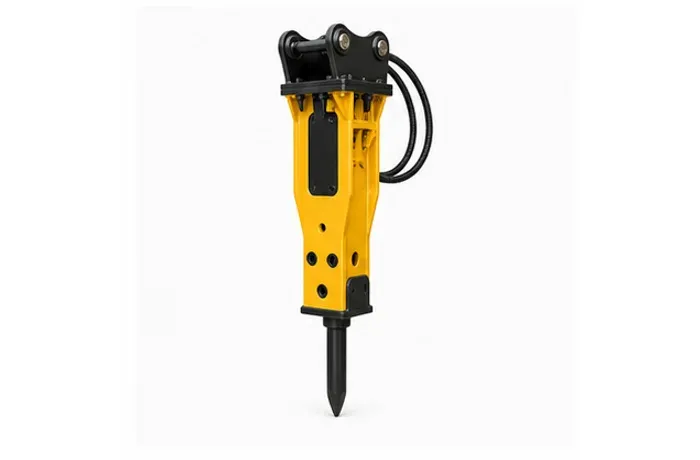
Most used excavators leave the factory plumbed only for the bucket cylinder. To run aHamer hydraulic drill, rock breaker, auger, compactor, or hydraulic thumb, the machine needs auxiliary circuits, control valving, and correctly tuned flow at the end of the arm.
We engineer the complete circuit in-house — piping, valve sections, in-cab controls, coupler-ready plumbing — set to the attachment's flow and pressure spec, then load-tested so it performs without overheating or starving the main circuit.
Fig. C — Hamer drill · aux circuit
Auxiliary & breaker lines
Single- and double-acting steel and hose runs along the boom and arm to feed breakers, drills, augers, and compactors.
Control valve & pilots
A dedicated valve section with pilot or proportional electric control — the operator runs the tool from the joystick.
Flow & pressure tuning
Relief and flow set to the attachment's required LPM/GPM and bar, so a Hamer drill runs to spec without overheating.
Coupler & thumb circuits
Dedicated low-flow circuits with holding valves for safe, drift-free clamping.
Pumps, cylinders & hoses
Main pump pressure verified, tired cylinders resealed, aged hoses replaced, oil & filters renewed.
Load test & report
Function-tested under load with the attachment fitted — documented with photos and video.
Running a Hamer drill or another powered attachment?
Send the attachment model and its flow/pressure spec — we'll confirm the hydraulic conversion your machine needs.
Swap attachments
in under a minute
Without a coupler, changing from bucket to breaker means hammering pins on the ground — 20 to 30 minutes each time, twice a day. We fit a quick coupler (quick hitch) matched to your machine's pin diameter and stick width, so the operator swaps attachments from the cab and the machine keeps earning.
Mechanical pin-grabber budget
A robust wedge-lock coupler operated at ground level. No hydraulics needed — a simple, low-maintenance upgrade for machines that change tools a few times a week.
Hydraulic quick coupler most popular
Fully hydraulic pin-grabber with in-cab switch, dual safety lock, and check valves that hold the attachment even if pressure is lost. Coupler circuit plumbed as part of the install.
- Pin Ø
- 45–110 mm
- Centres
- Matched
- Lock
- Dual
- Test
- Loaded
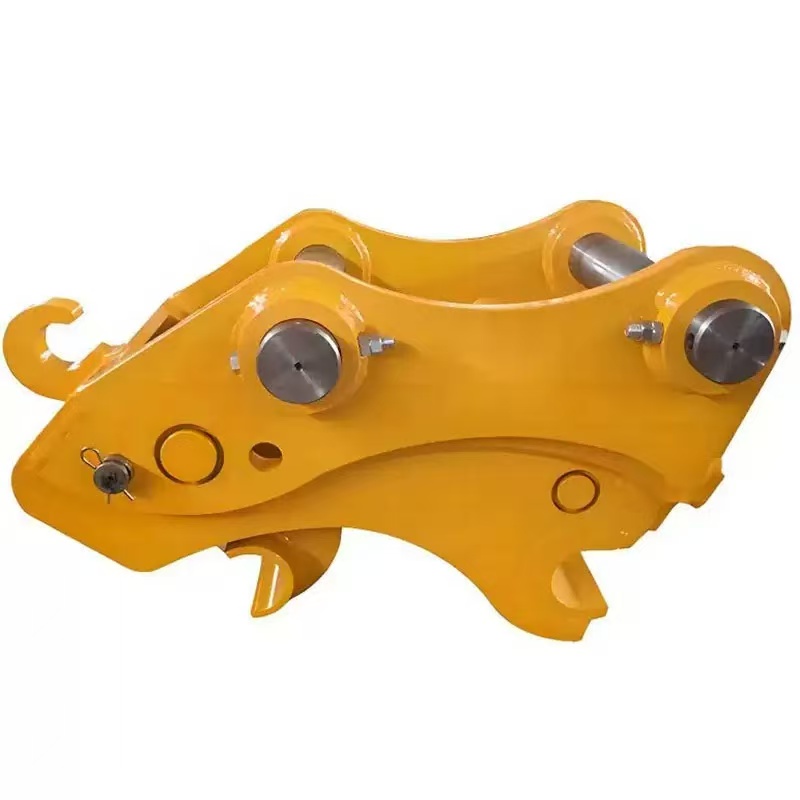
Fig. D — hydraulic pin-grabber · load-tested before export
Your fleet color. Your logo.
Any RAL code.
A repaint isn't cosmetic — it's corrosion protection and brand presence on site. Every machine is sanded back, primed, and finished in two-component polyurethane topcoat, then your logo is sprayed through stencils or applied as cut vinyl decals.
Preview — stylized
Color: Safety Yellow
Or send any RAL / Pantone reference — we mix to code.
Surface preparation
Old paint and rust removed by sanding and spot-blasting; dents filled and panels straightened before any primer goes on.
Epoxy primer + 2K topcoat
An anti-corrosive epoxy base followed by two-component polyurethane in your exact color — mixed to any RAL or Pantone reference.
Logo spraying & decals
Send a vector file (AI/PDF/SVG) — we spray through cut stencils or apply UV-stable vinyl decals on the house, counterweight, and boom.
Safety markings preserved
Warning decals, rating plates, and reflective strips re-applied after paint so the machine stays compliant on site.
From spec to shipped
in four steps
Tell us the job
Share the machine, the material or surface, and any attachment you plan to run.
We quote the mod
We confirm parts, fitment, and lead time, then quote the modification with the machine.
Build & test
Our workshop completes the work and function-tests it, with photos and video for you.
Ship ready to work
The machine loads for export already configured — no local shop needed after import.
Work order — final line
Tell us what the machine
needs to do
A bigger bucket, rubber tracks, a full hydraulic conversion, a quick coupler, or a repaint in your company colors — we modify the machine in China so it arrives job-ready.